Solution Spot
Your coating, lining, and fireproofing questions. Answered.
Archive

Using ISO 12944 to guide railcar coating selection
Learn how ISO 12944 helps railcar owners compare coating technologies, evaluate long-term corrosion performance, and select systems based on lifecycle, application, and cost objectives.
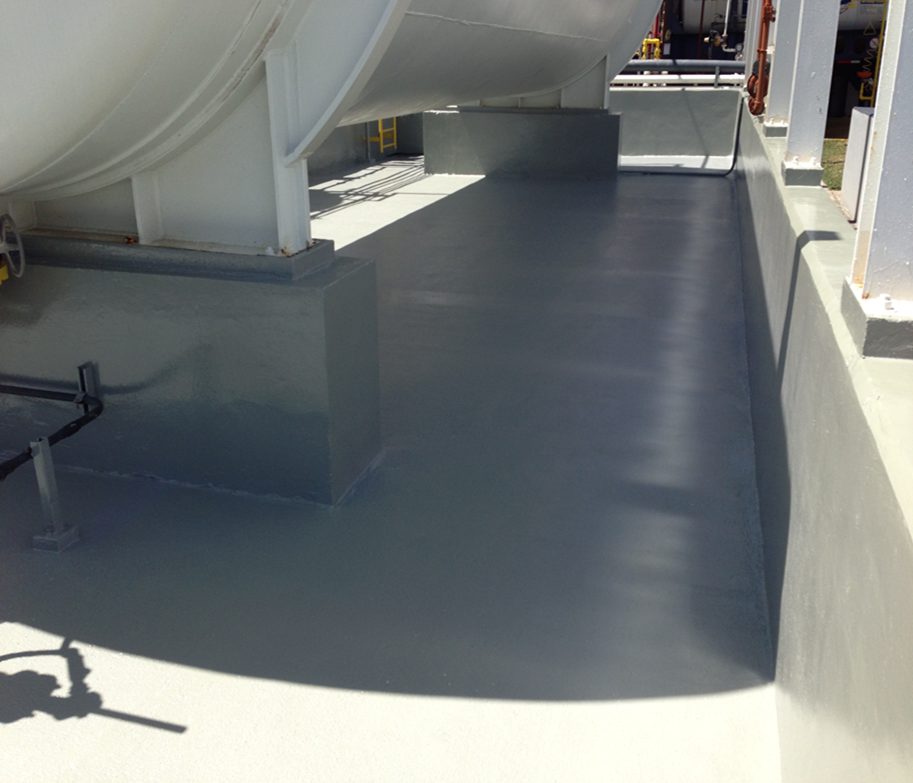
Industrial coating systems for hazardous waste secondary containment
Explore how engineers specify industrial coating systems for hazardous waste secondary containment, considering chemical exposure, concrete conditions, environmental risk, and long-term performance.
The Red Bucket - Episode 28. Is it time to replace traditional tank and pipe insulation? (feat. Michael Stelmach)
For decades, standard practice for insulating storage tanks and piping has been to wrap them in mineral wool, foam, or other low-conductivity materials before sealing them in cladding. This method works well-for a few years, anyway. But guest Michael Stelmach explains how liquid-applied insulative coatings are a longer-lived solution that achieve similar thermal efficiency, similar personnel protection, similar energy savings, and similar process stability while eliminating CUI and other risk factors.
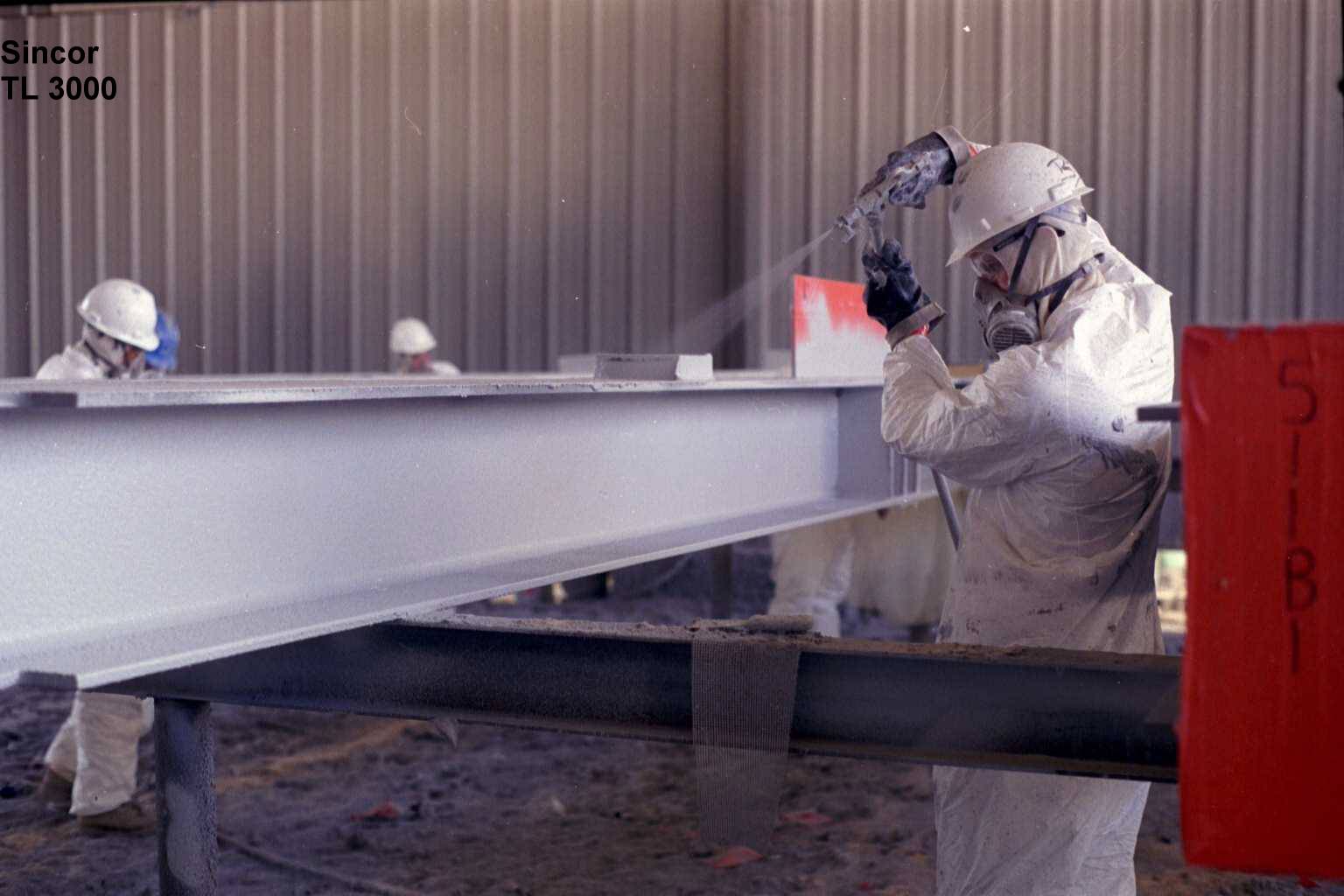
Harder intumescent coatings aren't always better
An assumption that harder intumescent coatings are better than pliable ones stops construction teams from optimizing material selection to save time and money.
The Red Bucket – Episode 27. Landmark projects in Canada (Feat. Pedro Escudero)
Three mysterious binders once forgotten in a Carboline headquarters closet are opened for the first time in decades. In this episode of The Red Bucket, Toby and guest Pedro Escudero explore a small sample of their contents: four past projects involving high-profile locations across Canada. And, Pedro reveals where tourists can get the best fish dinner in the country.