Solution Spot
Your coating, lining, and fireproofing questions. Answered.
Archive

The Red Bucket – Episode 16. Deconstructing Carbomastic 15 - Pt. 2 (Feat. Dan Baribault and Paul Atzemis)
Dan Baribault and Paul Atzemis continue their exploration of the unique technology and wide range of use cases for surface-tolerant epoxy mastics like Carbomastic 15.
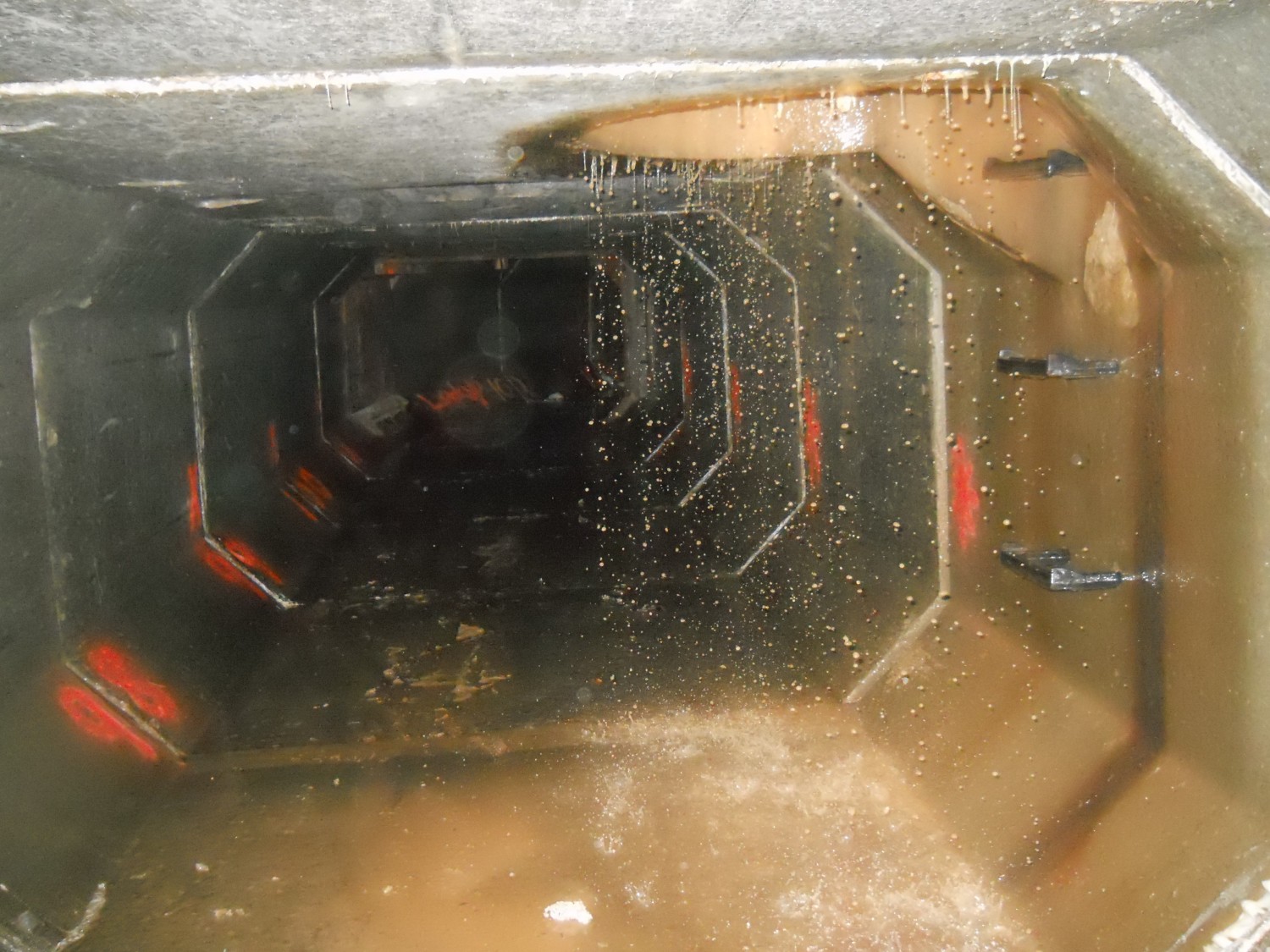
The importance of leak sealing in manhole asset maintenance
Leaks in damaged or degraded manholes send millions of gallons of extra water to treatment facilities already at or above their operating limits.
Carbomastic 15: Application
Carbomastic 15 is a surface-tolerant, aluminum-filled epoxy mastic with outstanding adhesion to marginally prepared surfaces. This unique formulation incorporates lamellar aluminum pigment for superior barrier protection.
The Red Bucket – Episode 15. Deconstructing Carbomastic 15 - Pt. 1 (Feat. Dan Baribault and Paul Atzemis)
Dan Baribault and Paul Atzemis explore the technology behind Carbomastic 15 to explain why some surface-tolerant epoxy mastics perform so well in so many services.

An actually helpful introduction to protective coatings
Too many introductory resources skip straight to reciting the definitions of resin types. A more helpful starting point is to first answer some fundamental questions: Why do we use protective coatings? What are they made of? How do they work?