Emerging fuels are reshaping how energy commodities move from source to market. Renewable diesel, biodiesel, bioethanol, and other low-carbon fuels and feedstocks are no longer niche options; they will only become more essential to the future energy mix.
As these alternative fuels gain traction, traditional transport networks face increasing strain. Pipelines, designed for high-volume, single-commodity service, were never built to handle the variable chemistries and widely distributed sourcing of today’s renewable feedstocks.
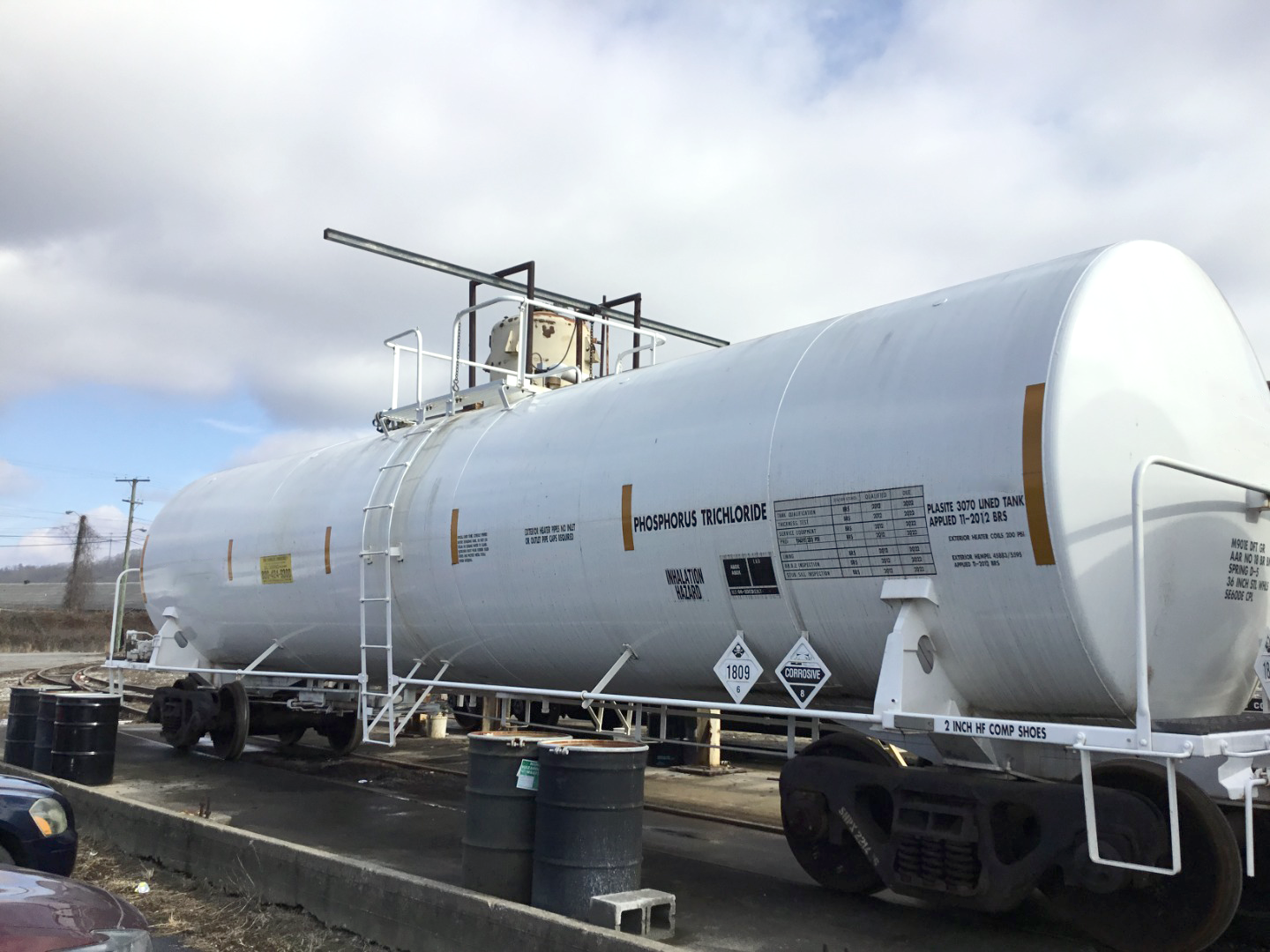
Rail transport offers a proven and flexible solution. Already deeply embedded in energy logistics, rail moves emerging fuels safely and at scale when paired with the right protective linings.
Evolving existing networks for the new future of fuel
Feedstocks used to create renewable fuels – including animal fats, used cooking oils, and other plant-based materials – come from a vast network of small, scattered producers. This geographic dispersion makes pipeline transport impractical, and building new pipelines to reach so many rural sources is cost-prohibitive.
Even where pipelines exist, their design cannot handle the various chemistry of these products. Exposure to incompatible materials can cause delamination, corrosion, and substrate degradation, increasing maintenance costs and failure risk.
Rail transport offers a flexible and immediately deployable solution. Its established, intricate network already links small producers with key processing and distribution hubs, enabling timely movement of commodities that pipelines could not move efficiently. Fleets can adjust to changing volumes and chemistries by assigning specific commodities to cars with the appropriate linings. This approach allows shippers to safely move diverse feedstocks while maintaining fleet efficiency.
Geographic flexibility alone is not enough – it must be paired with strategies to address the variable chemical properties of recycled or bio-based fuels and feedstocks, ensuring consistent, reliable transport under all conditions.
How chemical variability influences protective lining compatibility
The chemical makeup of emerging fuel feedstocks can vary widely based on source materials, handling methods, and seasonal changes. These differences occur not only from shipment to shipment, but also from producer to producer and processing facility to processing facility.
Factors such as elevated water content, free fatty acids, or other corrosive components influence how aggressive these commodities are toward protective linings.
Fortunately, today’s tank car fleet is already positioned to meet a broad range of specific chemical resistance requirements.
Linings engineered for the broadest chemical resistance add an additional layer of assurance. They adequately protect steel, extend service life, and foster resilience even when commodities’ chemical properties shift unexpectedly.
By selecting the proper lining for each commodity — or choosing a lining built to handle all variabilities — rail shippers can be the dependable partners the market needs and achieve long-term performance of rolling stock at the same time.
Lining solutions for complex fuel requirements
Carboline's Plasite linings deliver reliable corrosion protection and optimized application properties across dynamic chemical exposures.
Epoxy linings – Designed for less aggressive biofuels such as biodiesel, providing reliable barrier protection and consistent performance.
- • Products: Plasite 4550, Plasite 4550 FP, Plasite 4550 S *Plasite 4550 HT is rated for exposure to ethanol, a fuel generally more aggressive than most biofuels*
- • Cure: Ambient cure, with turnaround ranging from several days (4550) to approximately 20 hours (4550 HT)
- • Ideal application: High-throughput services requiring dependable performance with efficient maintenance cycles
Vinyl esters – Handles a wider range of chemical variability, including higher-risk feedstocks with smooth, easy-to-clean surfaces that reduce downtime.
- • Products: Plasite 4300, Plasite 4310, Plasite 4301 HT
- • Cure: Ambient or elevated temperature cure
- • Ideal application: Versatile protection for fleets managing multiple alternative fuels of feedstocks at inconsistent temperatures
Phenolics – Engineered for highly aggressive or unpredictable chemical environments, delivering maximum chemical and thermal resistance.
- • Products: Plasite 3070, Plasite 3070 L, Plasite 3073
- • Cure: Air-dry followed by high-bake
- • Ideal application: Select applications requiring exceptional corrosion performance under uncertain fuel chemistries.
Additional thin-film linings, including Phenoline 353 LT and Phenoline 1205, deliver robust protection against methanol, methane, and other aggressive commodities under elevated temperatures or extended immersion.
Together, this portfolio enables fleet owners to balance chemical resistance, application efficiency, turnaround time, and long-term durability, providing tailored solutions for the specific demands of each cargo.
Continued testing and trusted support
As renewable and recycled fuels evolve, so do the corrosion challenges protective linings must withstand.
A clear understanding of each fuel composition, combined with access to well-matched lining options, helps fleets control costs, reduce shipment gaps, prevent failures, and keep the economy moving.

Carboline’s expansive chemical resistance testing library has supported lining selection for bio-based, recycled, and other alternative fuels and fuel feedstocks for over 40 years. Proper technical guidance helps ensure reliable performance as commodity demands continue to evolve.
Rail transport of emerging fuels is not a temporary stopgap. It is a proven, safe, and scalable way to meet the future of fuel—and it’s ready today.