How to minimize and repair concrete cracks on a coated floor system
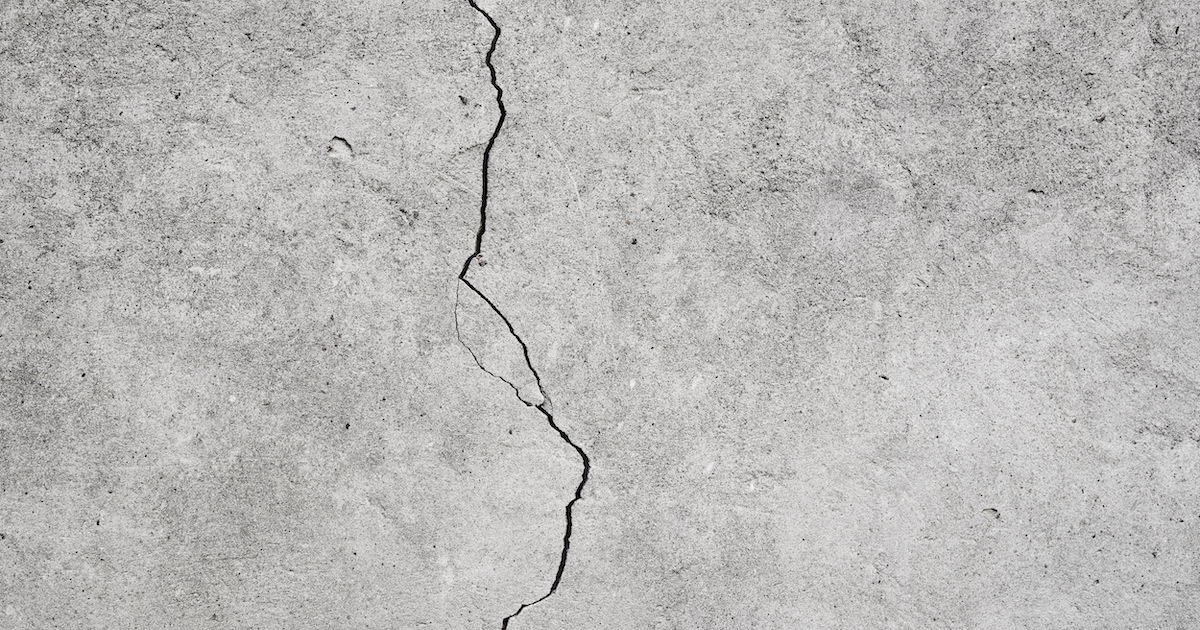
Sooner or later, all concrete will crack. Learn why this cracking occurs and the methods you can use to minimize, treat and repair different concrete cracks.

Sooner or later, all concrete will crack. Learn why this cracking occurs and the methods you can use to minimize, treat and repair different concrete cracks.
Jack Walker and Paul Atzemis discuss the definitions of the varying stages during the curing process of a high-performance coating.
Dustin Young of SSPC joins Jack Walker and Paul Atzemis to discuss new concrete standards from SSPC. The trio discusses the new concrete abrasive blasting standards SSPC CAB 1-3.
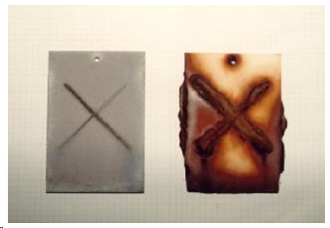
Design considerations for steel bridge coatings include exposure environment, aesthetics, application, and cost. Steel bridge coatings must offer protection against corrosion. Current techniques include traditional three-coat zinc, epoxy, urethane systems, galvanizing, and thermal spray metallization. Another pathway for steel protection includes the use of decades-old inorganic zinc spray-applied coatings. This approach offers the performance of a metallized coating while using conventional spray application. What's new is the use of an inorganic topcoat that maintains performance and shop throughput while adding color and aesthetics. This study will compare a two-coat inorganic coating system alongside galvanized, thermal spray metallizing, and sealed thermal spray metallizing systems in corrosion resistance lab testing. A discussion of applied cost and throughput will be presented, along with a review of the chemistry of this approach and the sustainability benefits it offers.
Jack Walker and Paul Atzemis hit the concrete. In this episode, they discuss the details of SSPC-SP13/NACE No. 6 The Surface Prep of Concrete. They discuss the importance of moisture tests and the